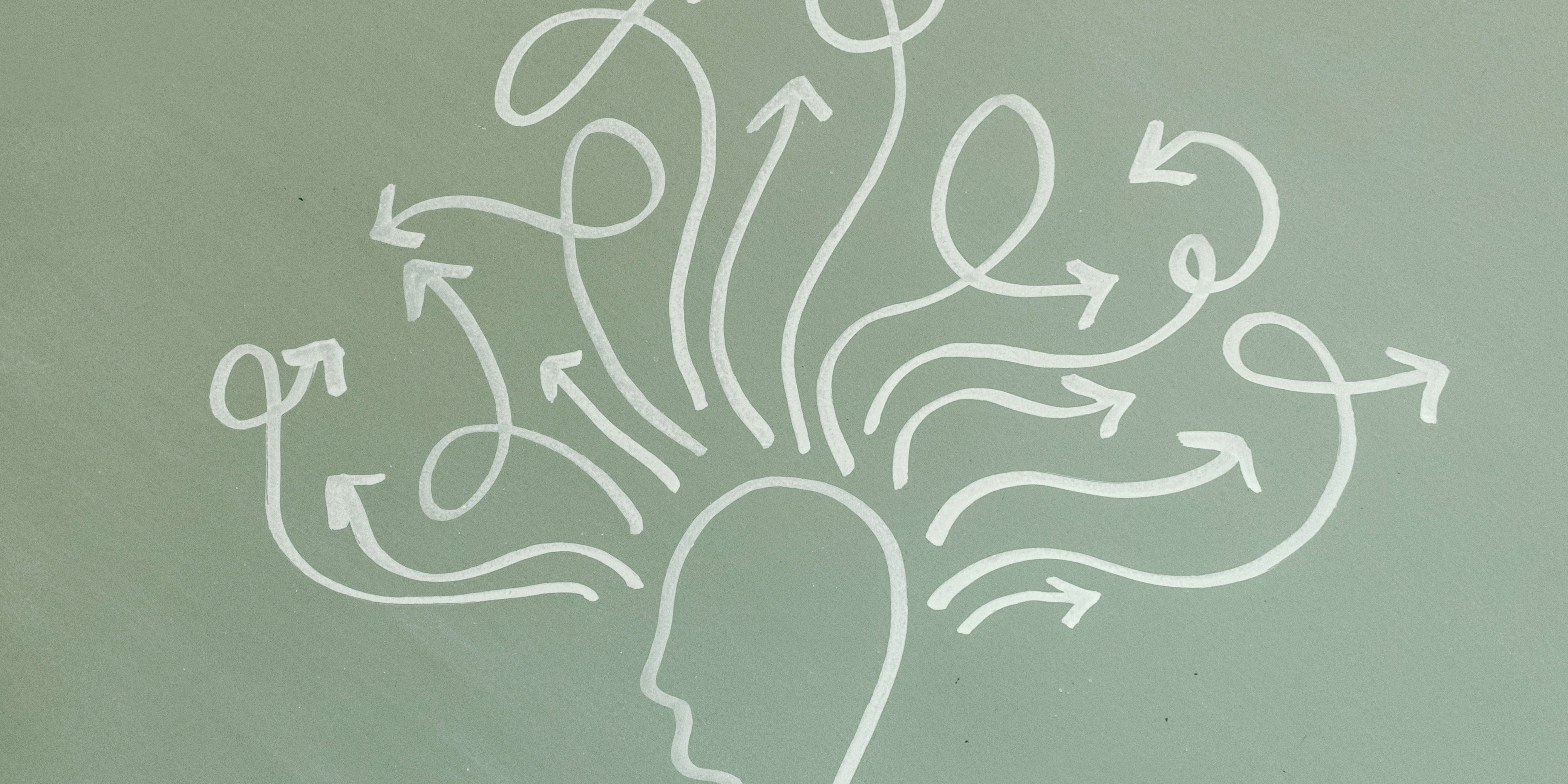

Limiting beliefs, those invisible chains that bind us, are often as mysterious as they are powerful. Where do they come from? How do they take shape?
Each of us is born as a blank
slate – we have no concepts of beliefs.
But as we grow older, we are exposed to different things that create our
belief systems.
Beliefs can be created from :
- Childhood Experiences: Our earliest years are a fertile ground for belief formation. Messages from parents and teacher, both explicit and implicit, shape our perceptions of self-worth, competence, and the world around us. A child praised for intelligence might develop a limiting belief that they're not good at practical tasks.
- Societal
Conditioning: From a young age, we're inundated with societal messages
about gender roles, race, socio-economic status, and more. These external
narratives can become internalised, creating beliefs that limit our
potential.
- Past
Events: Events, setbacks and failures can leave deep imprints on our
minds. Over time, these experiences can morph into beliefs about our
abilities and limitations. A person who's been rejected for a job might
develop a belief that they're not good enough.
These experiences
become beliefs when they are reinforced by:
- Repetition: Beliefs are reinforced through repeated exposure to similar experiences or messages. The more we hear or experience something, the more likely we are to believe it.
- Emotional
Connection: Beliefs are often tied to strong emotions. Fear, shame, or
anger can solidify a belief, making it difficult to challenge.
- Confirmation
Bias: We have a tendency to seek out information that confirms our
existing beliefs, while ignoring evidence to the contrary. This reinforces
our limiting beliefs.
The end result is a complex web of beliefs that shape our
thoughts, feelings, and behaviours. These beliefs can be as subtle as "I'm
not good enough" or as overt as "I can't succeed." They can
limit our career aspirations, relationships, and overall life satisfaction.
Understanding how limiting beliefs are formed is the first
step towards breaking free from their grip. By recognising the origins of these
beliefs, we can begin to question their validity and create new, empowering
narratives.
Want to explore this topic further? Get in touch to discuss
how to identify and challenge your limiting beliefs.